Solaris Fold
A folding engine chemists can put their hands into
Scientific visualisation · Solaris Synthetics · 2026
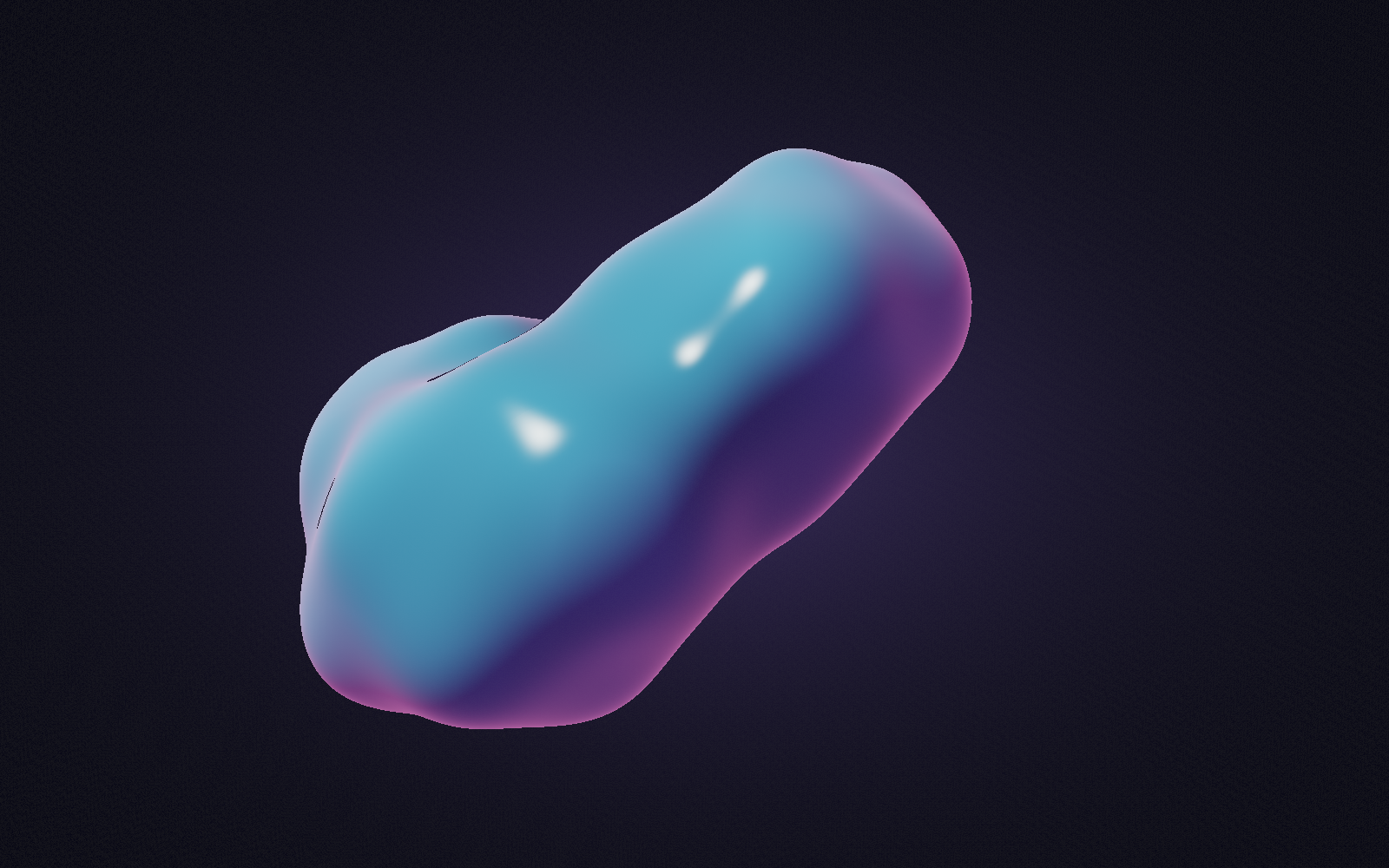
The hard part was not the rendering. It was deciding what to throw away: a faithful atomic model tells you everything and shows you nothing, so the viewer had to be wrong in a specific, defensible way, and the lab had to agree on which way.
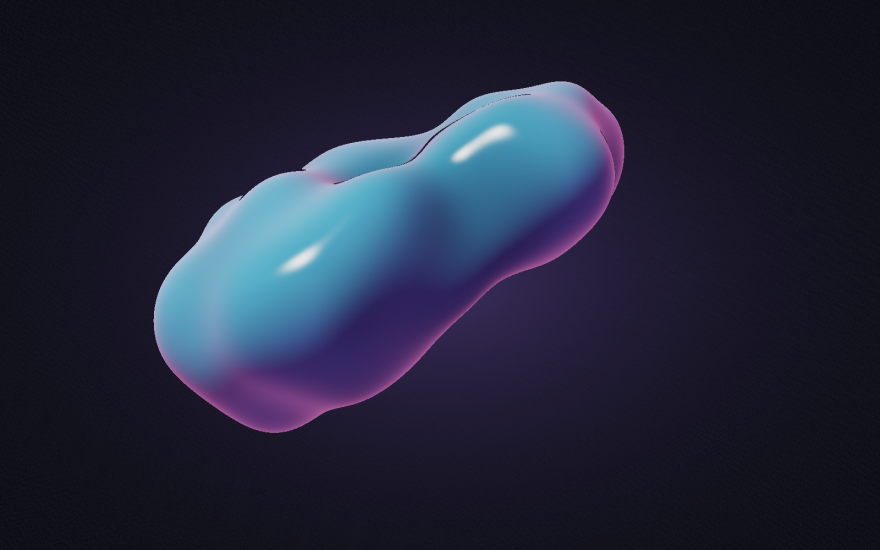
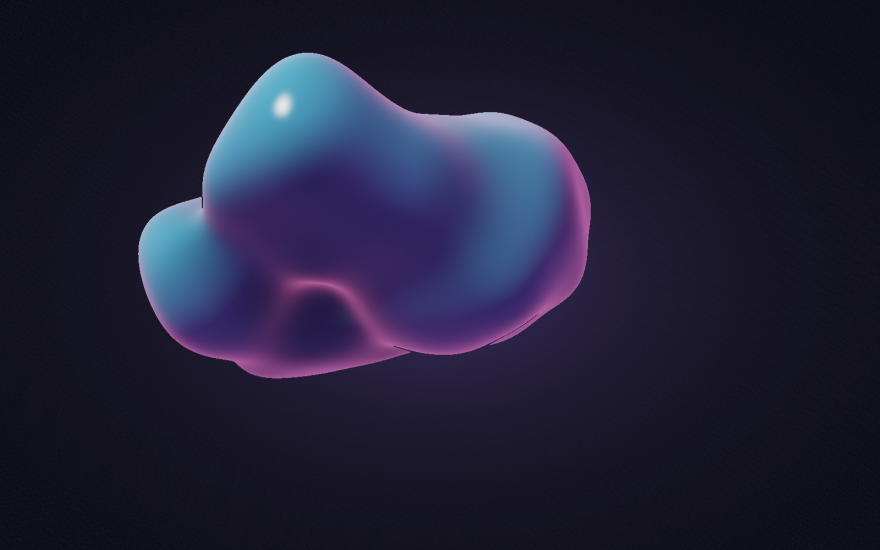
We settled on a smooth union with a radius tied to van der Waals contact. It is not a physical surface. It is the surface a chemist draws on a whiteboard, which is the one they think in.
The challenge
The lab had a solver that worked and a viewer nobody used. Structures came out as ball-and-stick diagrams that were accurate and unreadable — you could verify a fold in them, but you could not develop an intuition about one.
The approach
The body is sphere-traced as a single smooth-unioned solid, so a fold reads as a shape rather than as a graph. Residue identity survives in the surface tint and in a relief that follows the backbone. Chemists can grab it, and the solver runs underneath at interactive rates.